LINCOLN F75Z4A376BB Front Drive Shaft Driveline
fits model: 4x4, 4wd, Navigator. make: Lincoln. year: 1998–2002.
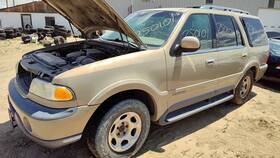
( Manufacturer Part Number: F75Z4A376BB ), ( Part Type: Driveshaft ), ( Id: D4152a88-9686-494a-83c0-74861aa64062 ), ( Interchange: 430-3199 )
Review LINCOLN Front Drive Shaft Oem Driveline fits NAVIGATOR 4X4 4WD 1998–2002
The **Lincoln Navigator (F75Z4A376BB) Front Drive Shaft (Driveline) for the 4x4/4WD models produced between 1998 and 2002** is a robust and meticulously engineered component designed to deliver unmatched durability and performance in full-time four-wheel-drive applications. This high-quality drive shaft is a critical part of the vehicle s driveline system, transmitting torque from the transfer case to the front axle, ensuring seamless power delivery to all four wheels for enhanced traction, stability, and off-road capability. Crafted from premium-grade steel, this drive shaft is built to withstand the demands of heavy-duty use, including rough terrain, towing, and extreme driving conditions, making it an ideal replacement for worn or damaged original equipment parts. The design incorporates a reinforced tubular shaft with precision-balanced joints, including a robust constant velocity (CV) joint at the transfer case end and a durable splined connection at the axle end, ensuring smooth operation and minimizing vibration. Additionally, the drive shaft is engineered with a protective boot system to shield internal components from debris, moisture, and contaminants, prolonging its lifespan and maintaining optimal performance. Perfect for restoring or upgrading a classic Navigator, this aftermarket drive shaft is a direct-fit replacement that adheres to OEM specifications, guaranteeing compatibility with the 1998-2002 model years while offering improved reliability and strength. Whether restoring a beloved luxury SUV or upgrading an existing driveline for better durability, this drive shaft is a dependable choice for enthusiasts and professionals alike.
### **Pros and Cons of Buying a 1998-2002 Lincoln Navigator Front Drive Shaft (Driveline) for 4x4/4WD (Part Number: F75Z4A376BB)**
#### **Pros:**1. **Compatibility with Classic Navigators** This part is designed specifically for the first-generation Lincoln Navigator (1997 2002), ensuring a proper fit for the front drive shaft assembly in 4x4 models. It is a direct replacement for the original equipment manufacturer (OEM) component, reducing the risk of compatibility issues.
2. **Durability and Performance** The Lincoln Navigator was built with a robust drivetrain, and the front drive shaft is a critical component for smooth power transfer in 4WD mode. A high-quality replacement part can restore proper function, reducing vibrations and ensuring efficient torque delivery.
3. **Prevents Further Damage** If the original drive shaft is worn, cracked, or leaking fluid, replacing it prevents further deterioration of the drivetrain, transmission, or differential. This can avoid costly repairs down the line.
4. **Improves Driving Experience** A failing drive shaft can cause jerky movement, unusual noises, or even sudden loss of power in 4WD. Replacing it with a reliable part restores smooth operation, especially in off-road or heavy-duty conditions.
5. **OEM Quality (If Authentic)** If purchasing an original or high-quality aftermarket part, it will meet the same standards as the factory component, ensuring longevity and reliability.
6. **Easier Maintenance** A properly functioning drive shaft makes it easier to perform routine inspections and adjustments, such as checking CV joints, u-joints, and boot integrity.
7. **Resale Value Preservation** Keeping the vehicle in good working condition, especially with critical drivetrain parts, helps maintain its resale value for classic or collector models.
---
#### **Cons:**1. **Age and Wear of the Vehicle** The 1998 2002 Lincoln Navigator is an older model, and many components (including the drive shaft) may already be worn out. If the rest of the drivetrain (e.g., transfer case, axles, or transmission) is failing, replacing just the drive shaft may not fully resolve drivability issues.
2. **Cost of Replacement** High-quality OEM or aftermarket drive shafts for this vehicle can be expensive, especially if labor costs are factored in. Prices may vary depending on whether you purchase new, refurbished, or used parts.
3. **Potential for Counterfeit or Low-Quality Parts** Some aftermarket parts may not meet OEM specifications, leading to premature failure or improper fit. It s important to source from reputable suppliers to avoid this risk.
4. **Complex Installation** Replacing a drive shaft requires mechanical skill, proper tools, and sometimes alignment with the transfer case and axles. If not installed correctly, it can cause further damage or safety hazards.
5. **Availability of Parts** While this part is common for its era, finding a genuine OEM part may be difficult, and lead times could extend the repair process.
6. **Additional Wear on Related Components** If the drive shaft failure was due to neglect (e.g., lack of lubrication, damaged boots, or misalignment), other parts (like CV joints or u-joints) may also need replacement, increasing overall costs.
7. **Potential for Rust or Corrosion** Older vehicles exposed to harsh conditions (salt, moisture, off-roading) may have rusted or corroded drive shafts, which could persist even after replacement if the underlying issues aren t addressed.
---
### **Ending Conclusion:**Replacing the front drive shaft (F75Z4A376BB) on a 1998 2002 Lincoln Navigator is a **necessary and beneficial repair** if the component is failing, as it directly impacts the vehicle s 4WD functionality, drivability, and safety. The part is critical for power transfer, and neglecting it can lead to more severe (and expensive) drivetrain failures.
However, the decision to replace it should be weighed against the vehicle s overall condition. If the rest of the drivetrain (transfer case, axles, transmission) is degraded, addressing those issues simultaneously may be more cost-effective. Additionally, ensuring the new part is high-quality and installed correctly is essential to avoid future problems.
---
### **Recommendation:**1. **Verify the Need** Confirm that the drive shaft is indeed the source of the issue (unusual noises, vibrations, or 4WD malfunction) before purchasing. A mechanic should inspect the CV joints, u-joints, and boots for wear.
2. **Source the Part Carefully** Purchase from a trusted supplier offering OEM or high-quality aftermarket parts. Avoid cheap, unknown brands that may fail prematurely.
3. **Consider a Full Drivetrain Inspection** If replacing the drive shaft, take the opportunity to check and service related components (transfer case fluid, axle seals, differentials) to prevent future failures.
4. **Professional Installation** Unless you have extensive mechanical experience, have the part installed by a qualified mechanic to ensure proper alignment and torque settings.
5. **Budget for Additional Costs** Account for labor, potential additional repairs, and disposal of the old part. If the vehicle is high-mileage or shows signs of neglect, weigh whether the repair is worth the investment compared to other options (e.g., restoration, trade-in, or parts-only use).
6. **Document the Repair** Keep records of the replacement for future reference, especially if the vehicle is being sold or maintained for resale.
**Final Verdict:** If the drive shaft is confirmed faulty and the rest of the drivetrain is in decent condition, replacing it is a **wise investment** to restore reliability and performance. However, if the vehicle is beyond its useful life or the drivetrain has widespread issues, the repair may not be justified. Always prioritize quality parts and professional installation to maximize the repair s success.
Details:
FORD EXPEDITION 97-02 8-330 5.4L.
part #: f75z4a376bb prices
- $106.78-$129.27
specifications universajoin:
- for models: 4x4, 4wd, Navigator
- for makes: Lincoln
- for years: 1998-2002
- mpn: F75z4a376bb
- part type: Driveshaft
- id: D4152a88-9686-494a-83c0-74861aa64062
- interchange: 430-3199
general universajoin:
- Transmission Drivetrain > Driveshafts Parts > Driveshafts
- condition: Used
returns universajoin:
- policy: Returns Accepted
- time: 30 Days
- paid by: Seller
shipping universajoin:
- service: Standard
- transit: 2-6 Days
- class: Standard
- type: Fixed
- cost: $0.00
payments universajoin:
- wallet: Apple-pay
- credit card: Discover
- other
seller universajoin:
- city: Brush, Colorado
- rating: 99.5%
- # reviews: 15616
offer universajoin:
- started: April 7, 2026
- sold: 0
- options: Ship-to-home
- availability: In Stock
- best offers: True
- quantity: 1
Lincoln F75Z4A376BB Is Similar To:
- Linc-town Rear Drive Shaft Without Limousine Pkg Tow Fits Lincoln Town Car 431-03675 (34.4% similar) No expedited shipping is available...(September 8th, 2016)
- 117.7 Linc-town 98-06 07 08 09 10 11 Lincoln Town Car Rear Drive Shaft Wb Base 3.08 Ratio 431-04306 (33.7% similar) Flush drain and replace fluids to systems manufacturers suggested fluids types and levels. The commercial address must have a fork lift for unloading. Carburetor distributor, fuel pump, etc. Transmissions must be installed to current oem specifications for a new transmission install. In event of ...(July 1st, 2016)
- 846229 Linc-ls 00 01 02 03 04 05 Lincoln Ls Rear Drive Shaft 6 Cyl At 431-04727 (36.7% similar) To 5/3 0 PO...(May 5th, 2016)
- 4l344602ka 4l344602kb 4l34ka 4l34kb 5l344602ka Lincoln Lt Rear Drive Shaft (30.1% similar) This item can only be shipped within the 48 us. This part came from vehicle: 2006 lincoln stock DM4359 here to see all available parts vehicle. 4L, W/O Harley-Davidson package ford F150 pickup QB, at 4X4, 1 piece, if there is a boot on joint, it will not be torn. Rest assured that this item will ...(August 2nd, 2018)
- 6w1z4602b Ford Lincoln Oem Town Car Shaft (25% similar) All airbag modules are also non returnable. Est, Mon to Fri...(March 2nd, 2018)
- 91-01386n Oe Quality Replacement For Lincoln Navigator Ford New Driveshaft Prop (40.5% similar) ...(June 14th, 2018)
- 91-01386r Oe Quality Replacement Reman Driveshaft Prop Shaft Fits Lincoln Navigator (21% similar) Built for trouble-free ownership and 100 visually inspected quality tested, this drive shaft is backed by our satisfaction guarantee. This drive shaft is manufactured and tested to the strictest oe standards for unparalleled performance...(June 15th, 2018)
- 936-846 Dorman Drive Shaft Fits Lincoln Mkx Oe Solutions 037495119580 (35.1% similar) Drive shaft length in: 80. Price is for 1 - adjust quantity in cart. The original drive shaft features a non-replaceable staked universal joint and our oe fix replaces u-joint with replaceable u-joints...(August 17th, 2018)
- Aviator 160352498lkq Lincoln 2004 Drive (28.8% similar) No photos of the actual item are available...(February 24th, 2018)
- E8vy-4782 Lincoln Genuine Oem Shaft Drive Mercury Coupling Ford E8vy-4782-a (31% similar) Each part is backed by the ford warranty. Brand new ford genuine drive shaft coupling is a direct fit for the following ford mustang with 1330 u joint lincoln navigator front rear flange ford expedition front rear flange ford Thunderbird with 1330 u joint ford ranger front only with 1330 u joint ...(April 23rd, 2015)
- E9tz4782b Ford Brand New Lincoln Mercury Oem Driveshaft Flange (28.4% similar) There is always a member of the Tosca family to meet with customer. Please view our damaged items section. The Tosca family has also led nation in both ford and lincoln mercury sales during our history. Over his many years, he has developed a business of best in class sales and service. Part number...(November 2nd, 2018)
