BMW 7614687 Activehybrid Rear Propeller Drive Shaft Center 431-59567 Bearing
fits model: F10. make: Bmw. year: 2012–2016.
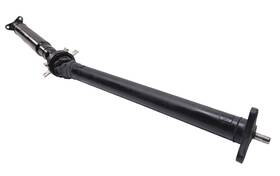
( Manufacturer Part Number: 7614687 ), ( Part Type: Bearing Propeller Driveshaft ), ( Donor Year: 2013 ), ( Donor Model: Activehybrid 5 ), ( Ipn: 431-59567 ), ( Miles: 89, 150 ), ( Tag: V53517 )
Review BMW Activehybrid Rear Propeller Drive Shaft Support Bearing fits F10 2012–2016
The **BMW 7614687 12-16 ActiveHybrid F10 Rear Propeller Drive Shaft Center Bearing** is a precision-engineered component designed exclusively for BMW s F10 7 Series ActiveHybrid models, specifically those produced between the 2012 and 2016 model years. This high-performance bearing serves as a critical link within the rear propeller shaft assembly, ensuring smooth and efficient power transmission between the transmission and the rear axle while accommodating the dynamic stresses imposed by the vehicle s hybrid powertrain. Crafted from durable, high-grade materials, including hardened steel and specialized bearing alloys, this component is engineered to withstand the demanding conditions of both conventional driving and the additional torque fluctuations generated by the electric motor assist system. The bearing s robust construction minimizes friction and wear, enhancing longevity and reliability, particularly in vehicles that frequently engage the ActiveHybrid mode for improved fuel efficiency and performance. Its precise fitment within the F10 platform s rear propeller shaft assembly ensures optimal alignment and torque distribution, reducing vibration and enhancing overall drivetrain efficiency. Whether used in replacement scenarios or as an upgrade for performance-oriented drivers, this bearing is a vital part of maintaining the integrity and responsiveness of BMW s sophisticated hybrid drivetrain system.
### **Pros and Cons of Buying a BMW 7 Series (F10, 2012-2016, ActiveHybrid, 7614687 Rear Propeller Shaft Center Bearing)**
#### **Pros**
1. **Premium Driving Experience** The F10 7 Series is renowned for its refined ride, excellent handling, and high-quality materials, offering a near-luxury experience even in this model range.
2. **Hybrid Efficiency** The ActiveHybrid system combines a 3.0L V6 engine with an electric motor, improving fuel economy (around 18-22 mpg combined) compared to a standard V6. This can be cost-effective for daily driving, especially in stop-and-go traffic.
3. **Strong Performance** The hybrid system provides a smooth power delivery, with the V6 producing 335 hp and the electric motor adding torque, resulting in quick acceleration (0-60 mph in 5.5 seconds).
4. **Luxury Features** Even in this model, the 7 Series comes with high-end amenities such as leather upholstery, advanced infotainment (iDrive 6), adaptive cruise control, and premium sound systems.
5. **Resale Value** BMW 7 Series models, particularly well-maintained ones, hold their value relatively well compared to other luxury sedans.
6. **Reliability (Compared to Competitors)** While no car is perfect, the F10 7 Series is generally more reliable than some of its direct competitors (e.g., older Mercedes S-Class or Audi A8) in terms of engine and transmission longevity.
7. **Hybrid Technology Advantage** The ActiveHybrid system reduces emissions and can help with lower fuel costs over time, making it a more environmentally friendly option than a pure gasoline model.
8. **Customization Options** BMW offers a range of optional upgrades, including advanced driver aids, premium audio, and even performance-oriented tweaks (e.g., Sport Chrono package).
---
#### **Cons**
1. **High Maintenance Costs** BMWs, especially luxury models, are expensive to maintain. The ActiveHybrid system adds complexity, potentially increasing repair bills for components like the electric motor, battery, or hybrid transmission.
2. **Hybrid System Reliability Concerns** The ActiveHybrid system is less proven than BMW s later-generation plug-in hybrids (e.g., F90 xDrive40e). Early adopters of this tech may encounter issues with battery degradation, hybrid transmission failures, or electrical gremlins.
3. **Propeller Shaft Center Bearing Issue (Specific to 7614687)** The **rear propeller shaft center bearing** (part number 7614687) is a known weak point in some F10 7 Series models. This bearing can fail prematurely, causing clunking noises, vibration, or even a complete loss of power to the rear wheels. Replacement costs can range from **$1,000 to $2,500 **, depending on labor and parts.
4. **Depreciation** Luxury sedans, even BMWs, depreciate quickly. A 2012-2016 7 Series may have already lost a significant portion of its value, and further depreciation is likely.
5. **Fuel Costs (Despite Hybrid Efficiency)** While better than a standard V6, the ActiveHybrid still consumes more fuel than a diesel or plug-in hybrid. High-end luxury cars often have lower MPG than more fuel-efficient alternatives.
6. **Complexity of Ownership** The hybrid system requires specialized knowledge for repairs. Finding a qualified BMW technician familiar with ActiveHybrid issues can be difficult and costly.
7. **Competitor Alternatives** There are other luxury sedans with better long-term reliability (e.g., Lexus LS, Genesis G90) or more modern hybrid systems (e.g., newer BMWs with iPerformance) that may be more practical for some buyers.
8. **Resale Market Challenges** The hybrid system may deter some buyers, making it harder to sell later. Additionally, the propeller shaft bearing issue could be a red flag for potential buyers.
---
### **Ending Conclusion**
The **BMW 7 Series (F10, 2012-2016, ActiveHybrid)** is an excellent choice if you prioritize **luxury, driving dynamics, and hybrid efficiency** for daily commuting. However, the **propeller shaft center bearing (7614687) is a critical weakness** that could lead to unexpected repair costs. If this issue has already occurred or is likely to happen soon, the long-term ownership costs may outweigh the benefits.
For buyers who are **willing to budget for potential hybrid and drivetrain repairs**, this car remains a fantastic premium sedan. However, if **reliability and lower maintenance costs** are top priorities, a **newer BMW (e.g., F90 xDrive40e) or a competitor like the Lexus LS 460 or Genesis G90** might be more practical alternatives.
### **Recommendation**
- **Buy if:**- You have a **budget for potential hybrid and propeller shaft repairs** (expect at least $1,000 for the bearing).
- You prioritize **luxury, performance, and hybrid efficiency** over long-term cost savings.
- The car has **no history of propeller shaft issues** and has been **well-maintained** (service records are crucial).
- You plan to **keep it for a short to medium term** (5-7 years) rather than holding onto it long-term.
- **Avoid if:**- You cannot afford **unexpected hybrid or drivetrain repairs**.
- You prefer **simpler, more reliable** luxury alternatives.
- The **propeller shaft bearing has already failed or is showing signs of wear**.
- You are looking for a **long-term investment** where depreciation and maintenance costs are a concern.
**Final Verdict:** This is a **great car for the right buyer** one who values luxury and is prepared for potential hybrid-related expenses. However, if reliability is the top concern, consider newer or alternative models. Always **get a pre-purchase inspection** and **verify service history** before buying.
Details:
After items are removed and cleaned they inspected one final time before posting. Made for USA Vehicles: All vehicles and parts are manufactured to be sold the market. The more actions option. Left-Hand Drive Vehicles.
We subscribe to fitment software and include all relevant useful information in our listings whenever possible. On return this item. SHIPPING DEALS: Review our shipping details before you purchase. Emissions standards, side of road vehicles drive on, etc. Weather patterns cold vs.
Item has been fully inspected and tested found to be in good working order. The pictures are the ACTUAL PICTURES OF THE ITEM FOR SALE. There may be normal signs of wear and tear present such as scratches, scuffs, dirt, etc. Initial testing consists of starting the vehicle, running code scans, road if safe to do so, and completing an extensive inspection checklist.
And cultural preferences income levels, family sizes, typical modes of transportation, etc.
part #: 7614687 prices
- $219.23-$314.99
specifications universajoin:
- for models: F10
- for makes: Bmw
- for years: 2012-2016
- mpn: 7614687
- part type: Bearing Propeller Driveshaft
- donor year: 2013
- donor model: Activehybrid 5
- ipn: 431-59567
- miles: 89, 150
- tag: V53517
offer universajoin:
- started: April 22, 2026
- availability: In Stock
- quantity: 1
- options: Ship-to-home
- sold: 0
seller universajoin:
- rating: 99.9%
- # reviews: 30320
- city: Oroville, California
shipping universajoin:
- class: Standard
- cost: $0.00
- transit: 3-9 Days
- service: Standard
- type: Fixed
payments universajoin:
- wallet: Apple-pay
- credit card: Visa
- other
general universajoin:
- condition: Used
- Transmission Drivetrain > Driveshafts Parts > Driveshafts
returns universajoin:
- paid by: Seller
- time: 60 Days
- policy: Returns Accepted
Bmw 7614687 Is Similar To:
- 2007 Line Drive 2008 2006 E90 06-11 07 Bmw 325xi Shaft 06 2009 Oem Awd 10 Rear 2011 2010 330xi 09 328xi 11 08 (21.5% similar) 06 11 bmw E90 325XI 328XI 330XI drive shaft rear AWD oem drive line...(May 4th, 2015)
- 69-76 Center 7 10 2002 Bmw Mount Joint Drive 1 Shaft 832 Universal (18.4% similar) You are purchasing a new Goethe drive shaft mount universal joint for the bmw sedans with automatic transmission 5/6 9 to also most south America countries. New from vintage inventory, part number on part is and full bmw part number. Please see the 3RD photo, this is 13 in the illustration. This is ...(May 15th, 2015)
- Joint Flex Arnley Fits 745i 103-3067 Shaft Drive Beck Bmw 02-05 (25.5% similar) If a part does not fit due to cataloging errors, vehicle split production date, etc...(April 30th, 2015)
- 04 Xi Shaft Rear 02 03 325xi Drive Bmw 106144 Awd 05 (20.3% similar) No expedited shipping is available...(April 10th, 2015)
- 107308200296sss Karl New Bmw Driveshaft Center Support With Bearing (47.1% similar) Size: 18X12. 58KG 5X14CM items must also be unused and in new condition. We ll pay the shipping. Return notes when you repack the item, please help clean make sure it won influence second sale...(April 11th, 2018)
- 107308200298eee Karl Bmw Driveshaft Center Support For Series 873493836025 (40% similar) You can contact with us in message, whats app, or we chat. Items have not been used or fitted in any way items are the same condition as when they were delivered packaging sent out. Details: offered as a full assembly providing unsurpassed convenience in repairs...(April 25th, 2019)
- 107308200300 Ser Karl Driveshaft Center Support With Bearing For Bmw 9584847782035 (45.2% similar) First come, serve...(April 10th, 2018)
- 107308200498aaa Karl Driveshaft Center Support Bearing Fits Bmw 9584847782103 (47.9% similar) Driveshaft support for bmw 325 318I 325E 325ES 325I 325IS compatible: make model body style year base coupe sedan 1985 convertible 1987 specifications: condition: 100 new oem no. Items must also be unused and in new condition...(April 10th, 2018)
- 107308200500fff Karl Driveshaft Center Support For Bmw 8787101982030 (42.9% similar) Part: 2002 -2008-26127513218 prices...(May 10th, 2018)
- 1087 Vollig Drive Shaft Flex Joint Fits Bmw Oem 849290059943 (34.2% similar) In case you feel that there is an error or mistake. Free shipping offer apply only to the continental USA, 48 states. Eurasia parts makes no claim of ownership in such marks, and affiliation with the oem...(June 12th, 2018)
- 1094889 Bmw Oem Rear Upper Control Arm Driver Side (35.3% similar) This offer is for a driver side rear upper control arm. This item is a used bmw oem part. Shipping is via USPS priority mail with delivery confirmation. This part was in good usable condition at the time of removal. The pictures are of actual part and is that ships. I do everything possible to ...(August 3rd, 2018)
