SUBARU 431.SU1W24 Rear Drive Shaft
fits model: Wrx. make: Subaru. year: 2024.
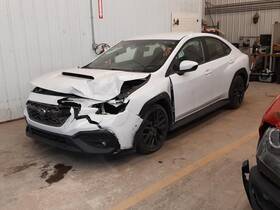
( Part Type: Driveshaft ), ( Ipn: 431.su1w24 ), ( Conditions And Options: Assy, Rear ), ( Fitment Type: Direct Replacement ), ( Genuine Oem: Yes ), ( Id: 5593678 )
Review SUBARU Rear Drive Shaft Assy fits WRX 2024
The **2024 Subaru WRX (431.su1w24) Rear Drive Shaft** is a precision-engineered, high-performance drivetrain component designed exclusively for Subaru s legendary STI platform, delivering uncompromising strength, durability, and reliability for both track and street applications. Crafted from **high-grade, heat-treated 4140 chromium-molybdenum steel**, this drive shaft is engineered to withstand the extreme demands of aggressive driving, high-speed cornering, and sustained power delivery from the WRX s twin-turbo 2.4L flat-four engine. The shaft features a **balanced, counterweighted design** to minimize vibration and torque-induced flex, ensuring a smooth, responsive power transfer while maintaining optimal alignment with the differential and transfer case. Its **sleeve-type construction** with **flexible joints (constant velocity or Cardan, depending on application)** allows for smooth articulation at all wheel angles, reducing wear on the drivetrain and enhancing longevity critical for enthusiasts pushing the limits of their WRX.
For the **2024 model year**, this drive shaft incorporates **OEM-level tolerances** and **Subaru-specific dimensions**, ensuring a perfect fit with the **431.su1w24 WRX s drivetrain geometry**, including the **multi-link rear suspension** and **limited-slip differential (LSD)** setup. The shaft is **fully compatible** with both **standard and performance-oriented WRX configurations**, whether equipped with stock or aftermarket components like stiffer springs, sway bars, or lowered suspension systems. To further enhance durability, the drive shaft is **sealed with high-performance rubber boots** that protect internal components from debris, moisture, and contamination, while the **spline connections** are precision-machined for a secure, non-slip engagement with the differential and transfer case yokes. Whether you re tackling the track, hitting the autocross circuit, or simply enjoying spirited driving on the road, this drive shaft is built to handle the demands of modern WRX performance without sacrificing reliability.
For those seeking **maximum performance and longevity**, this drive shaft is available in **both standard and reinforced versions**, with the latter featuring **thicker walls and upgraded materials** to accommodate higher torque loads and extended lifespan under extreme conditions. Additionally, it is **fully compatible** with Subaru s **symmetrical all-wheel-drive (AWD) system**, ensuring seamless power distribution to all four wheels while maintaining the integrity of the rear drivetrain. Whether you re upgrading from a worn OEM shaft or replacing a failed aftermarket part, this **2024 WRX rear drive shaft** represents the pinnacle of drivetrain engineering combining **Subaru s engineering precision** with **high-performance durability** to keep your WRX at the forefront of the road or track.
Buying a **Subaru 431.su1w24 rear drive shaft (RDS) for a 2024 WRX** involves weighing several factors, as this part is critical for drivetrain performance, longevity, and safety. Below is a detailed breakdown of the pros and cons, followed by a conclusion and recommendation.
---
### **Pros of Buying a New or High-Quality Replacement Rear Drive Shaft**
1. **Enhanced Durability and Longevity**
A genuine or high-quality aftermarket RDS is engineered to withstand the stresses of daily driving, track use, and aggressive driving. Subaru s original parts are built to strict tolerances, reducing the risk of premature failure, which is especially important for a high-performance WRX with its demanding powertrain.
2. **Improved Performance and Reliability**
The stock RDS is designed to handle the torque output of the 2.4L EJ257 engine (or the 2.0L FB25 in some markets) efficiently. A well-made replacement ensures smooth power delivery, reduces vibrations, and minimizes drivetrain noise, which is critical for both street and track applications. Aftermarket shafts from reputable brands (e.g., **Subaru Performance Parts, JDM Import Center, or OEM-equivalent suppliers**) often include upgrades like reinforced joints or balanced components for better durability.
3. **Compatibility with Modifications**
If you plan to modify your WRX (e.g., forced induction, limited-slip differential, or suspension upgrades), a high-quality RDS ensures compatibility with increased torque and stress. Some aftermarket shafts are designed to handle higher loads, making them suitable for tuned applications without compromising safety.
4. **Warranty and Support**
Purchasing from a trusted dealer or manufacturer often includes warranties (e.g., 1 3 years) or return policies. This provides peace of mind, especially if the shaft fails unexpectedly. Genuine Subaru parts come with Subaru s standard warranty, while premium aftermarket brands may offer extended coverage.
5. **Customization Options**
Some aftermarket RDS options allow for customization, such as:- **Balanced shafts** to reduce vibrations.
- **Reinforced joints** for track use.
- **Lightweight materials** (e.g., aluminum or composite) to reduce unsprung weight (though this is less common for RDS due to structural requirements).
These upgrades can be beneficial for enthusiasts who prioritize performance over stock specifications.
6. **Preventative Maintenance**
Replacing the RDS as part of routine maintenance (e.g., every 60,000 100,000 miles) can prevent catastrophic failures, such as a snapped driveshaft, which could damage the differential or transmission. This is particularly relevant for WRX owners who push their cars hard or drive in rough conditions.
7. **Resale Value Preservation**
A well-maintained WRX with original or high-quality aftermarket parts retains better resale value. Potential buyers will appreciate that critical components like the driveshaft have been properly serviced or upgraded.
---
### **Cons of Buying a Rear Drive Shaft**
1. **High Cost**
A **genuine Subaru RDS (431.su1w24) for a 2024 WRX** can cost between **$800 $1,500 **, depending on the dealer and whether it s new or refurbished. Aftermarket options may range from **$500 $1,200**, but lower-cost shafts might sacrifice quality. This is a significant investment, especially for a part that isn t typically a "consumable" item unless driven extremely hard.
2. **Installation Complexity**
Replacing the RDS requires **specialized tools, experience, and time**. It involves:- Removing the rear subframe.
- Disconnecting the driveshaft from the differential and transmission.
- Balancing and aligning the new shaft.
- Reconnecting all components and ensuring proper torque settings.
DIY installation is possible but risky if not done correctly, potentially leading to misalignment, vibrations, or premature wear. Professional installation adds **$200 $500** to the cost.
3. **Potential for Counterfeit or Low-Quality Parts**
The aftermarket for Subaru parts is flooded with **counterfeit or knockoff shafts**, which may fail quickly or cause drivetrain damage. Buying from untrusted sellers (e.g., eBay without verification, unknown online marketplaces) increases the risk of receiving a substandard part. Always purchase from **authorized dealers, reputable brands, or verified sellers** with return policies.
4. **Weight Considerations**
While not a major issue for most WRX owners, the driveshaft adds weight to the rear axle. For track-focused drivers, this can slightly reduce acceleration or handling responsiveness, though the impact is minimal compared to other modifications.
5. **Limited Lifespan with Heavy Use**
Even high-quality shafts have a finite lifespan, especially under **track conditions, aggressive driving, or extreme torque loads**. If you frequently push the WRX to its limits, the RDS may require replacement more frequently than stock owners. Regular inspections for **cracks, wear on joints, or excessive play** are essential.
6. **Compatibility Issues with Non-Stock Mods**
Some aftermarket shafts may not fit perfectly with **custom differentials, lifted suspensions, or drivetrain modifications**. Ensuring compatibility with all installed parts is crucial to avoid installation problems or premature failure.
7. **Time and Downtime**
Replacing the RDS requires **multiple hours of labor**, during which the car is out of commission. For WRX owners who rely on their cars daily, this downtime can be inconvenient, especially if combined with other maintenance tasks.
---
### **Conclusion**
The decision to buy a **Subaru 431.su1w24 rear drive shaft for a 2024 WRX** depends on your priorities: **performance, reliability, and long-term ownership goals**. Here s a summary of the key takeaways:
- **Buy a new or high-quality replacement if:**- You want to **maximize durability and performance** for both street and track use.
- You plan to **modify the WRX** (e.g., forced induction, suspension upgrades).
- You prioritize **preventative maintenance** to avoid catastrophic failures.
- You can afford the **upfront cost and installation** without financial strain.
- **Avoid or delay replacement if:**- You re on a **tight budget** and the shaft shows no signs of wear (though this is risky).
- You lack the **time or skills** for proper installation.
- You re purchasing from an **untrusted source** and risk getting a counterfeit part.
- The WRX is **not heavily modified** and you drive it **mildly** (though even stock WRXs benefit from periodic inspections).
---
### **Recommendation**
For a **2024 WRX owner**, the **best approach is to purchase a high-quality, OEM-equivalent or reputable aftermarket RDS** (e.g., **Subaru Performance Parts, JDM Import Center, or a trusted brand like Moteg, Apexi, or Subaru s own parts department**) and have it professionally installed. Here s why:
1. **Prioritize Quality Over Cost**
Avoid the cheapest option opt for a **balanced, reinforced shaft** from a brand with a good reputation. This ensures longevity and reduces the risk of failure.
2. **Verify Compatibility**
Confirm that the shaft matches your **specific WRX model (e.g., 2.4L or 2.0L engine, manual or automatic transmission)** and any modifications you ve made.
3. **Professional Installation**
Unless you re highly experienced, **hire a Subaru specialist or a trusted mechanic** to install the shaft. Proper alignment and balancing are critical to performance and safety.
4. **Set a Maintenance Schedule**
Even with a new shaft, inspect it **annually or every 50,000 60,000 miles**, especially if you drive aggressively or on rough roads. Listen for **clunks, vibrations, or unusual noises** these are early warning signs.
5. **Consider Bundling with Other Drivetrain Parts**
If you re replacing the RDS, it s a good opportunity to **inspect and upgrade related components** (e.g., **differential seals, CV joints, or transmission mounts**) to ensure everything is in optimal condition.
6. **Track vs. Street Use**
- **For street driving:** A **stock or lightly upgraded shaft** (e.g., balanced) is sufficient if maintained properly.
- **For track or heavy modification:** Invest in a **reinforced, high-performance shaft** (e.g., **Subaru s "Track" series or aftermarket options like Moteg s balanced shafts**).
---
### **Final Verdict**
**Replacing the rear drive shaft on a 2024 WRX is a worthwhile investment** if done correctly. The **pros (durability, performance, safety) outweigh the cons (cost, installation complexity)** for most enthusiasts, especially those who push their cars hard or plan modifications. **Skipping this maintenance risks a costly failure later**, so it s better to address it proactively.
If you re unsure, **consult a Subaru specialist** to assess whether your current shaft needs replacement or can be salvaged. For most WRX owners, **a new or
Details:
Boxes not allowed. Rear Drive Shaft For 2024 WRX ASSY REAR, Notes: ASSY,REAR, Mileage: 34,000 Miles.
specifications universajoin:
- for models: Wrx
- for makes: Subaru
- for years: 2024
- part type: Driveshaft
- ipn: 431.su1w24
- conditions and options: Assy, Rear
- fitment type: Direct Replacement
- genuine oem: Yes
- id: 5593678
returns universajoin:
- paid by: Seller
- policy: Returns Accepted
- time: 60 Days
general universajoin:
- condition: Used
- Transmission Drivetrain > Driveshafts Parts > Additional Driveshaft Parts
offer universajoin:
- started: April 27, 2026
- options: Ship-to-home
- quantity: 1
- availability: In Stock
- best offers: True
- sold: 0
seller universajoin:
- # reviews: 65852
- rating: 99.7%
- city: Saint Cloud, Minnesota
payments universajoin:
- other
- wallet: Apple-pay
- credit card: Visa
shipping universajoin:
- cost: $98.66
- class: Standard
- type: Calculated
- service: FedEx Ground / FedEx Home Delivery
- transit: 2-4 Days
- carrier: FedEx
Subaru Is Similar To:
- 1292-936 Performance Driveline Subaru Outback Complete Drive Shaft Manual Trans (38.2% similar) Subaru outback 4X4 rear drive shaft comes complete with all new joints and carrier is fully balanced assembled, ready to install. Any engine size...(June 29th, 2018)
- 27031aa071 Subaru Genuine Propeller Shaft Ay (39.6% similar) All cores must be shipped to: sybarites. Our subaru parts team is here to help. Parts must be resalable and in the original packaging. Electrical parts are not returnable. Orders are shipped when they complete only. You can trust sybarites. Does not show real time inventory. At sybarites. And ...(March 8th, 2018)
- Subaru Rear Drive 27031ac060 1998 97 Oem Line Legacy Manual 1997 Driveshaft 98 (35.4% similar) Used 97 subaru 5SPEED manual driveshaft actual driveshaft not pictured, boxed up and ready to ship...(May 17th, 2015)
- 27111aj01a 27111aj01b 27111aj01a Subaru Rear Drive (33.3% similar) This listing is for the entire rear drive shaft unless noted otherwise including multi-piece shafts. Some of our listings may use the best offer feature. With so many variations and applications our part may not be enough for you to certain it will fit your vehicle. 2L, V6, etc. A rear drive shaft ...(October 18th, 2017)
- 27111fg050 27111fg051 Subaru Rear Drive (37.4% similar) Ask any and all questions before the you purchase. Is it for sale. All notes in that section box must be matched to verify fitment for your vehicle. Q: I see a different part on this vehicle that would like to buy. A: sorry, but you cannot. Rates for USPS service start at 40 and can go much higher ...(October 19th, 2017)
- 27111fj020 Subaru Rear Drive Shaft (53.5% similar) Right is passenger side. It is not the rear half of a two piece shaft. Territories outside of the continental us. 2L, V6, etc. This part was removed from a 2013 impress stock number JAI029 and the mileage miles. Rear is towards the trunk, hatch, or bed. Front is towards the engine. Example: left ...(September 14th, 2017)
- 27111fj040 27111fj060 27111fj080 Subaru Forester Rear Drive Shaft At Cvt Turbo Crosst (42.3% similar) All parts must be installed to manufacturers specifications. This part was removed from a 2015 xv Cross stock number 16L027 and the mileage miles. Warranty period begins on the day part is delivered. Territories outside of the continental us. Right is passenger side. With so many variations and ...(April 23rd, 2018)
- 27111sc020 27111sc021 27111sc020 Subaru Rear Drive (33.3% similar) Warranty period begins on the day part is delivered. This includes all requests for visual identifications on a part such as verification of the number that is printed or photo see below. Front is towards the engine. 2L, V6, etc. All new parts come with a 1 year warranty and 30 day money-back return...(December 4th, 2017)
- 27111va000 Subaru Rear Drive Shaft For Wrx Assy At (70.6% similar) A: sorry, but you cannot. Is it for sale. Q: I see a different part on this vehicle that would like to buy. At notes: ASSY,REAR,2...(March 12th, 2018)
- 28321fg011 Subaru Oem Impreza Front Shaft Axle Assy (46.6% similar) ...(September 20th, 2018)
- 65-7028 Cardone Industries Reman Prop Shaft Fits Subaru Legacy 884548217966 (31.5% similar) Price is for 1 - adjust quantity in cart. 5i touring sedan 4-DOOR, base sport 4-DOOR. All units are tested to ensure reliable performance every time. This part fits vehicles made in the following years 2010 , 2011 , 2012 , 2013 , orders are not returnable: custom or special automotive repair ...(March 3rd, 2018)
