BMW 26111225521 Driveshaft
fits model: E23, 745i. make: Bmw. year: 1980–1986.
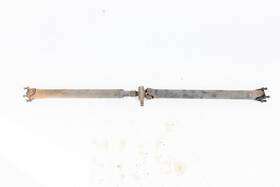
( Manufacturer Part Number: 26111225521 ), ( Type: Driveshaft ), ( Vintage Part: Yes ), ( Country Of Origin: Germany ), ( Transmission Type: Automatic ), ( Placement On Vehicle: Lower ), ( Performance Part: No )
Review BMW Used Driveshaft fits E23 745I 1980–1986
The **BMW 26111225521 driveshaft** is a critical and meticulously engineered component designed exclusively for the **E23 7 Series (1980 1986)** models, including the legendary **745i**, 742i, and 732i variants. This high-performance driveshaft is a precision-crafted assembly that ensures seamless power transfer from the transmission to the rear axle, a vital function for maintaining the iconic balance of luxury, handling, and raw driving dynamics that define BMW s flagship sedan of the era. Crafted from high-grade steel and reinforced with robust internal bearings, this driveshaft is built to withstand the demands of both daily driving and spirited performance, particularly in the case of the **745i**, which was powered by the potent **M88/3 5.0L inline-six engine** producing a staggering **315 horsepower** a force that required a driveshaft capable of handling significant torque and lateral forces without flex or fatigue.
The **26111225521** is a **two-piece driveshaft** (commonly referred to as a "slip yoke" or "constant velocity" design), featuring a **slip yoke at the transmission end** to accommodate slight variations in distance between the transmission output and the rear axle, while the **constant velocity (CV) joint at the rear** ensures smooth, vibration-free power delivery even under aggressive cornering or rapid acceleration. The slip yoke is typically secured with a **snap ring and bolt**, allowing for minor adjustments during installation, whereas the CV joint at the rear is sealed with a **high-quality rubber boot** to protect the internal ball bearings from contaminants like dirt, moisture, and road debris critical for longevity, especially in environments where the vehicle is exposed to harsh conditions. The driveshaft s **precision-machined splines** and **laser-aligned components** minimize play, ensuring optimal efficiency and reducing the risk of premature wear, which was particularly important in the E23 s later years when wear and tear could become more pronounced.
For restoration enthusiasts and performance-minded owners seeking to restore or upgrade their **745i or E23 7 Series**, this driveshaft is an essential OEM replacement part that guarantees **authentic fitment, durability, and reliability**. Unlike aftermarket alternatives that may compromise on material quality or fit, the **BMW 26111225521** is a **direct factory-spec part**, ensuring compatibility with the vehicle s drivetrain without the need for modifications. It is designed to integrate seamlessly with the **Getrag GS5 or GS6 5-speed manual transmission** (or the **ZF 5HP22 automatic transmission** in later models) and the **R40 rear axle**, maintaining the E23 s legendary **rear-wheel-drive dynamics** that made it a benchmark for luxury and performance in its time. Whether used in a **full restoration, a classic car show setup, or a high-mileage daily driver**, this driveshaft is a testament to BMW s engineering precision, delivering both **performance integrity and timeless reliability** for the discerning owner of an E23 7 Series.
### Pros and Cons of Buying a BMW E23 745i (1980 1986) with the Driveshaft Part Number 26111225521
#### **Pros**
1. **Classic BMW Engineering**
The E23 745i is a well-regarded BMW model from the early 1980s, known for its robust M88 engine (a tuned version of the M10), which produces strong performance for its era. The drivetrain, including the driveshaft, is built to last if maintained properly.
2. **Rarity and Collectibility**
The 745i is one of the rarest and most sought-after BMW models from this generation, especially in good condition. Its exclusivity can make it a valuable investment if preserved well.
3. **Potential for Restoration or Modification**
If you re mechanically inclined or have access to skilled mechanics, this car offers a rewarding project. Restoring or modifying an E23 can be a passion project with high payoff in terms of driving enjoyment and aesthetic appeal.
4. **Strong Community and Support**
There is a dedicated community of E23 enthusiasts who share knowledge, parts, and restoration tips. This makes troubleshooting and sourcing parts easier than for more obscure models.
5. **Potential for High Resale Value**
Well-maintained examples, especially those with original engines and low mileage, can appreciate significantly over time. The 745i is particularly prized among collectors.
6. **Driving Experience**
The E23 chassis offers a comfortable yet sporty ride, and the 745i s engine provides a satisfying growl and acceleration. For those who appreciate classic BMW driving dynamics, this model delivers.
7. **Availability of Aftermarket Parts**
While some parts may be harder to find than on newer BMWs, the E23 has a strong aftermarket presence, including reproduction parts, restoration kits, and performance upgrades.
---
#### **Cons**
1. **High Maintenance Costs**
The E23 is not a "set-and-forget" car. It requires regular maintenance, including engine tuning, suspension work, and electrical system checks. The M88 engine, while robust, can develop issues like valve train wear, oil leaks, or fuel system problems if neglected.
2. **Complexity of Repairs**
Many components, such as the driveshaft (which is a critical part of the drivetrain), require specialized knowledge to repair or replace. Labor costs for BMW specialists can be high, especially for older models.
3. **Electrical System Reliability**
The E23 s electrical system is known for being finicky. Issues like faulty wiring, failing sensors, or alternator problems are common and can be difficult to diagnose without experience.
4. **Driveshaft-Specific Risks**
The driveshaft (part number 26111225521) is a critical component for rear-wheel-drive operation. Over time, it can develop cracks, wear, or universal joint (U-joint) failures, which can lead to catastrophic failure if not addressed. Replacing it requires proper alignment and balancing to avoid vibration or further damage.
5. **Rust and Structural Issues**
Many E23s, especially those from the 1980s, suffer from rust in critical areas like the subframe, suspension mounts, and body panels. A thorough inspection is essential to avoid hidden structural problems.
6. **Fuel and Emissions Compliance**
Modern fuel standards and emissions regulations may make it difficult to find compatible fuel or require modifications to meet local emissions laws. Some regions have restrictions on pre-catalyst vehicles like the E23.
7. **Parts Availability and Cost**
While parts exist, some may be expensive or difficult to source. Original BMW parts for older models can be costly, and aftermarket alternatives may not always be reliable.
8. **Insurance and Registration Challenges**
Classic BMWs can be expensive to insure, especially if they are high-performance or rare. Registration fees may also be higher due to their value or historical significance.
9. **Time-Consuming Restoration**
Restoring an E23 to showroom condition is a significant undertaking. It may take years of work, depending on the car s condition, and requires patience, skill, or access to experienced mechanics.
10. **Driving Practicality**
The E23 is not as practical as modern cars. Fuel efficiency is poor by today s standards, and the size of the car (especially the longer-wheelbase models) can make parking and maneuvering challenging.
---
### **Ending Conclusion**
Buying a BMW E23 745i with the driveshaft part number 26111225521 is a decision that hinges on your priorities, resources, and long-term goals. If you are an enthusiast with mechanical skills, patience, and a passion for classic cars, this purchase can be incredibly rewarding. The 745i offers a unique blend of performance, rarity, and driving character that few other BMWs can match.
However, if you are looking for a practical, low-maintenance vehicle or lack the time or budget for extensive restoration and upkeep, this car may not be the right choice. The driveshaft is a critical component, and its condition should be thoroughly inspected before purchase any signs of wear, cracks, or improper alignment could lead to costly repairs.
### **Recommendation**
If you proceed with this purchase, take the following steps to mitigate risks:1. **Thorough Inspection**: Have the car inspected by a BMW specialist or an E23 expert. Pay close attention to the driveshaft, engine condition, rust, and electrical system.
2. **Budget for Restoration**: Set aside a significant budget for repairs, parts, and labor. Assume that restoring an E23 to good condition will cost tens of thousands of dollars.
3. **Source Parts Early**: Begin sourcing parts for any known issues before finalizing the purchase. This will help you avoid last-minute surprises.
4. **Join the Community**: Engage with E23 forums, clubs, or groups to learn from others experiences and gain access to shared resources.
5. **Consider a Project Car vs. a Ready-to-Drive Example**: If you are not prepared for a full restoration, look for a car that is already in better condition or has been partially restored.
6. **Test Drive and Road Test**: Ensure the driveshaft and suspension are functioning correctly during a test drive. Listen for unusual noises and check for vibrations, which could indicate driveshaft issues.
In summary, the E23 745i is a fantastic car for the right owner someone who appreciates the challenge and joy of working with a classic BMW. If you are willing to invest the time, money, and effort, it can be an incredibly satisfying project. However, if you prioritize convenience and low maintenance, this may not be the best choice.
Details:
It has been cleaned and checked for any physical imperfections. Electronic parts were known to be good prior storage or are NIB/NOS. Chassis: E23. BMW Driveshaft for the E23 745I.
Used BMW driveshaft for the E23 7-Series.
part #: 26111225521 price
- $399.99
specifications universajoin:
- for models: E23, 745i
- for makes: Bmw
- for years: 1980-1986
- mpn: 26111225521
- type: Driveshaft
- vintage part: Yes
- country of origin: Germany
- transmission type: Automatic
- placement on vehicle: Lower
- performance part: No
offer universajoin:
- quantity: 1
- best offers: True
- started: February 4, 2026
- availability: In Stock
- options: Ship-to-home
- sold: 0
payments universajoin:
- credit card: Visa
- wallet: Apple-pay
- other
seller universajoin:
- rating: 99.4%
- city: Cincinnati, Ohio
- # reviews: 928
returns universajoin:
- time: 14 Days
- policy: Returns Accepted
- paid by: Buyer
shipping universajoin:
- transit: 3-8 Days
- service: Standard
- cost: $50.00
- class: Standard
- type: Fixed
general universajoin:
- condition: Used
- Transmission Drivetrain > Driveshafts Parts > Driveshafts
Bmw 26111225521 Is Similar To:
- 107308200296sss Karl New Bmw Driveshaft Center Support With Bearing (23.9% similar) Size: 18X12. 58KG 5X14CM items must also be unused and in new condition. We ll pay the shipping. Return notes when you repack the item, please help clean make sure it won influence second sale...(April 11th, 2018)
- 107308200298eee Karl Bmw Driveshaft Center Support For Series 873493836025 (22.6% similar) You can contact with us in message, whats app, or we chat. Items have not been used or fitted in any way items are the same condition as when they were delivered packaging sent out. Details: offered as a full assembly providing unsurpassed convenience in repairs...(April 25th, 2019)
- 107308200300 Ser Karl Driveshaft Center Support With Bearing For Bmw 9584847782035 (21.2% similar) First come, serve...(April 10th, 2018)
- 107308200498aaa Karl Driveshaft Center Support Bearing Fits Bmw 9584847782103 (25.2% similar) Driveshaft support for bmw 325 318I 325E 325ES 325I 325IS compatible: make model body style year base coupe sedan 1985 convertible 1987 specifications: condition: 100 new oem no. Items must also be unused and in new condition...(April 10th, 2018)
- 107308200500fff Karl Driveshaft Center Support For Bmw 8787101982030 (25.4% similar) Part: 2002 -2008-26127513218 prices...(May 10th, 2018)
- 1086 Mtc For Bmw Driveshaft Flex Joint (38.6% similar) So, when it comes to drive ability, this driveshaft component will come in handy help restore the precision of handling and steering. Driveshaft flex joint by MTV. In everything MTV do, strive for honesty, fairness and integrity. Designed to fit and function the same as OE, this top-notch product ...(August 14th, 2018)
- 1229 97 03 Bmw Driveshaft 540i E39 Automatic Trans Oem Part 26 10 291 399 (29.3% similar) For sale a excellent condition driveshaft for a sport series E39. Shipping is 45. All parts there, flex plate not included complete unit ready to install. All joints are excellent condition, no dents or scrapes anywhere shaft pulled apart for easy handling...(January 13th, 2016)
- 98 1229324 740i Assembly 97 01 Oem E38 99 Bmw Driveshaft 00 (38.5% similar) Bmw 740I E38 driveshaft assembly oem this part was originally installed in a 1999 740I. Included part number visit . This part has been confirmed to be compatible with these cars bmw 740I 97 I swab, from 1/9 7BMW 740I I swab check the item specifics section at the top of this listing for more ...(March 29th, 2015)
- 12741674 Aftermarket Products New Rear Driveshaft For Bmw Body Code (25.6% similar) ...(October 18th, 2018)
- 12742903 Aftermarket Products New Driveshaft Front Series Bmw (27% similar) The items are brand new parts that look and fit same as original, except at a much better price...(April 22nd, 2018)
- 13435097 Aftermarket Products New Driveshaft Front Series Bmw (27% similar) The items are brand new parts that look and fit same as original, except at a much better price...(April 21st, 2018)
