BAVARIAN MOTOR WORKS 26108654495 Front Drive Shaft
fits make: Bmw. year: 2013–2018.
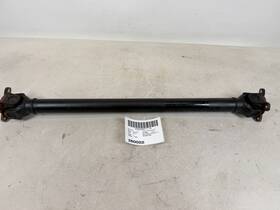
( Brand: Bavarian Motor Works ), ( Manufacturer Part Number: 26108654495 ), ( Oe/oem Part Number: 26106879007, 26107609361, 26107633661, 26107638486, 26108605231 ), ( Type: Driveshaft ), ( Id: 08c617b0-b8c6-452e-90bc-edd15f464c3c ), ( Interchange: 430-58672 )
Review BAVARIAN MOTOR WORKS Bmw 320 Series Front Drive Shaft Oem fits 2013–2018
The **BMW 26108654495 Front Drive Shaft (2013 2018 320i)** is a precision-engineered, high-performance drivetrain component designed exclusively for BMW s F30 3 Series sedan, ensuring seamless power delivery and optimal handling. This **OEM-quality drive shaft** is meticulously crafted to meet BMW s exacting standards, featuring a robust **tubular steel construction** reinforced with high-grade materials to withstand the demands of daily driving, spirited acceleration, and long-term durability. The shaft incorporates a **splined connection** at both the transmission and wheel ends, ensuring a secure and vibration-free transfer of torque from the engine to the front wheels, which is critical for maintaining the 320i s sporty responsiveness and precise steering feel.
Engineered with **BMW s proprietary design specifications**, this drive shaft includes a **balanced and dynamically tuned construction** to minimize noise, vibration, and harshness (NVH), a hallmark of BMW s commitment to refined driving dynamics. The **sleek, aerodynamic design** not only enhances the vehicle s undercarriage aesthetics but also optimizes airflow, reducing drag and improving overall efficiency. Whether installed in a daily driver or a performance-oriented 320i, this drive shaft guarantees **reliable operation** under varying conditions, from city commutes to highway cruising and spirited track use.
For enthusiasts seeking **authentic BMW performance**, this **genuine OEM replacement part** is the ideal choice, offering the same level of quality and engineering as the original equipment. Its **universal compatibility** with the 2013 2018 F30 320i ensures a perfect fit, eliminating the need for modifications or compromises in fitment. Whether replacing a worn-out shaft, upgrading after an accident, or maintaining peak drivetrain performance, this **high-quality drive shaft** delivers the reliability and precision that BMW owners expect ensuring your 3 Series continues to deliver the exhilarating blend of comfort and performance for which it is renowned.
### Pros and Cons of Buying a BMW 320d (2013 2018) with the Front Drive Shaft (Part Number: 26108654495)
#### **Pros:**1. **Reliability of the 320d Engine**
The BMW N47 engine (used in the 320d from 2013 2018) is a well-established turbo-diesel unit known for its durability and efficiency. When properly maintained, it can last well beyond 200,000 miles, making it a cost-effective choice for long-term ownership.
2. **Fuel Efficiency**
The 320d offers excellent fuel economy, averaging around **30 35 MPG combined** (city/highway), which is significantly better than comparable gasoline engines. This makes it ideal for daily commuting and long-distance driving.
3. **Strong Performance**
The 2.0L turbo-diesel produces **192 horsepower and 320 lb-ft of torque**, delivering smooth acceleration and a satisfying driving experience. The torque is particularly useful for towing or driving in hilly areas.
4. **Low-Cost Maintenance (Compared to Gas Engines)**
Diesel engines generally require fewer repairs than gasoline engines, especially if the owner follows a strict maintenance schedule. Oil changes are less frequent (every 10,000 15,000 miles), and the turbocharger is more robust than many gasoline turbo setups.
5. **Resale Value**
BMW diesel models, particularly the 320d, hold their value reasonably well compared to gasoline counterparts, especially in regions where diesel fuel remains cheaper.
6. **Comfortable Ride & Interior Quality**
The 3 Series is known for its refined ride quality, high-quality materials, and well-appointed cabin. The 320d retains these attributes while adding diesel-specific features like a quieter cabin at highway speeds.
7. **Availability of Parts & Aftermarket Support**
As a popular model, parts for the 320d are widely available, and there is a strong aftermarket community for tuning and modifications (e.g., exhaust upgrades, DPF deletion kits, and performance tuning).
8. **Lower Running Costs (Fuel & Taxes in Some Regions)**
In many European countries and some U.S. states, diesel vehicles benefit from lower fuel taxes and better fuel economy, reducing long-term ownership costs.
---
#### **Cons:**1. **DPF (Diesel Particulate Filter) Issues**
The most significant drawback of the BMW 320d is the **DPF**, which can clog over time, especially in stop-and-go traffic or short-distance driving. A clogged DPF leads to **reduced performance, increased fuel consumption, and costly regeneration cycles** (which can fail if the filter is severely blocked). Replacement costs range from **$1,500 $3,000**, and prevention requires regular high-speed driving.
2. **AdBlue System Dependency**
The 320d (and most modern diesels) requires **AdBlue** (a urea-based fluid) for emissions compliance. Running out of AdBlue can cause the engine to shut down, and the system adds an extra maintenance requirement (refilling every **1,000 1,500 miles**).
3. **Higher Upfront Cost (vs. Gasoline Alternatives)**
While the 320d is cheaper to run, the initial purchase price is higher than a comparable **328i (gasoline)**. Additionally, diesel-specific modifications (e.g., DPF deletion, exhaust upgrades) can add to costs.
4. **Limited High-Mileage Reliability Without Maintenance**
If the vehicle has **not been properly maintained** (e.g., oil changes, fuel system cleaning, DPF regeneration), it may develop **injector issues, turbo failures, or exhaust system problems**. Always check service records.
5. **Diesel Fuel Availability & Cost Fluctuations**
In some regions, diesel fuel is **more expensive than gasoline**, and availability can be inconsistent (e.g., rural areas, some U.S. states). Additionally, diesel fuel quality varies, which can affect engine longevity.
6. **Potential for Carbon Buildup & Injector Problems**
Over time, **carbon deposits** can form in the intake valves and injectors, leading to **rough idling, misfires, or reduced power**. This requires **fuel system cleaning** (every **30,000 50,000 miles**) to prevent major issues.
7. **Resale Depreciation (vs. Gasoline Models)**
While the 320d holds value better than some diesels, it still depreciates faster than a **328i or 330i** in regions where diesel is less popular.
8. **Noise & Vibration (Compared to Gas Engines)**
Diesel engines are generally louder and have more vibration than gasoline counterparts, which may be noticeable in a quiet cabin.
---
### **Key Considerations Before Purchase**
1. **Check DPF & AdBlue System Health**
- Has the DPF been regenerated recently? (Look for service records.)
- Does the vehicle have a **full AdBlue tank**?
- Listen for **clinking noises** (indicating a clogged DPF).
2. **Verify Maintenance History**
- **Oil changes** (synthetic, every **7,500 10,000 miles**).
- **Fuel system cleaning** (every **30,000 50,000 miles**).
- **Turbo & injectors** (no signs of leaks or carbon buildup).
3. **Test Drive for Performance & Emissions**
- Does the engine **accelerate smoothly** without hesitation?
- Are there **check engine lights (CEL) or DPF warning lights**?
- Does the vehicle **regenerate the DPF** during the drive?
4. **Consider a Pre-Purchase Inspection (PPI)**
A professional mechanic should check:- **DPF condition** (can be visually inspected via exhaust).
- **Injector & turbo health** (listen for unusual noises).
- **AdBlue system functionality**.
- **Oil consumption** (diesels should not burn excessive oil).
5. **Budget for Potential Upgrades**
- If the DPF is clogged, **regeneration may not be enough** a replacement may be needed.
- Consider a **DPF bypass or deletion kit** (if legal in your region) to eliminate DPF issues.
- A **performance exhaust** can improve sound and slightly boost power.
---
### **Final Recommendation**
**Buy the BMW 320d (2013 2018) if:**You **prioritize fuel efficiency and long-term cost savings**.
You **drive mostly on highways** (reduces DPF clogging risk).
You **can afford potential DPF/AdBlue maintenance**.
You **find a well-maintained example with clean service records**.
You **are okay with slightly higher upfront costs** for the diesel benefits.
**Avoid or be cautious if:**You **mostly drive short distances or in stop-and-go traffic** (DPF will clog quickly).
The **seller cannot provide full maintenance history**.
The **DPF has been regenerated frequently without proper high-speed driving**.
You **live in a region where diesel fuel is expensive or hard to find**.
You **don t want to deal with AdBlue refills**.
#### **Best Approach:**- **Negotiate a lower price** if the vehicle has **minor DPF issues or lacks maintenance records**.
- **Get a PPI** to confirm no hidden problems.
- **Consider a DPF bypass or deletion** if you re comfortable modifying the vehicle.
- **Compare to a 328i** if fuel savings aren t a priority, the gasoline version may be simpler and more reliable.
**Verdict:** The **2013 2018 BMW 320d is a solid choice for those who prioritize efficiency and can manage diesel-specific maintenance**. However, **buyers must be diligent about DPF health and AdBlue upkeep** to avoid costly repairs. If you re willing to invest in proper care, it can be a **great long-term vehicle**. If not, a **well-maintained 328i may be a more hassle-free alternative**.
Details:
Condition: 73100. Model: BMW 320 SERIES. Part Stock #. Vehicle Stock #: 250022.
Front Drive Shaft. Vehicle Info.
part #: 26108654495 price
- $25.00
specifications universajoin:
- for makes: Bmw
- for years: 2013-2018
- brand: Bavarian Motor Works
- mpn: 26108654495
- oe/oem part number: 26106879007, 26107609361, 26107633661, 26107638486, 26108605231
- type: Driveshaft
- id: 08c617b0-b8c6-452e-90bc-edd15f464c3c
- interchange: 430-58672
general universajoin:
- condition: Used
- Transmission Drivetrain > Driveshafts Parts > Driveshafts
seller universajoin:
- rating: 99.7%
- city: Tucker, Georgia
- # reviews: 1201
shipping universajoin:
- carrier: UPS
- type: Fixed
- cost: $20.00
- class: Standard
- service: UPS Ground
- transit: 3-8 Days
offer universajoin:
- quantity: 1
- options: Ship-to-home
- availability: In Stock
- best offers: True
- started: March 11, 2026
- sold: 0
returns universajoin:
- time: 30 Days
- paid by: Seller
- policy: Returns Accepted
payments universajoin:
- cash
- wallet: Paypal
- other
- credit card: Mastercard
Bavarian Motor Works 26108654495 Is Similar To:
- Bavarian Motor Works Bmw 26209425909 15 16 17 18 X4 Front Drive Shaft (70.3% similar) Front drive shaft. Model: bmw X4. Part stock vehicle stock #: M87947. Condition: 179K...(July 24th, 2025)
