GMC 26036048 Rear Drive Shaft Driveline 4.3L
fits model: Safari. make: Gmc. year: 1985–1995.
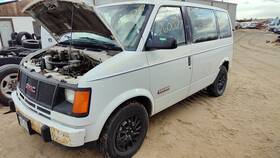
( Manufacturer Part Number: 26036048 ), ( Part Type: Driveshaft ), ( Id: 45c6a652-0e42-48da-bcd6-408fc858cfe3 ), ( Interchange: 431-2838 ), ( Year: 1993 )
Review GMC Rear Drive Shaft Oem Driveline 4.3l fits SAFARI 1985–1995
The **GMC 26036048 Rear Drive Shaft (Driveline) for the 1985 1995 Chevrolet/GMC Safari with a 4.3L V6 engine** is a meticulously engineered, high-performance driveline component designed to deliver uncompromising durability and precision in full-size SUV applications. This rear axle drive shaft is a direct-fit replacement, engineered to match the exact specifications of the original equipment manufacturer (OEM) design, ensuring seamless integration with the 4.3L inline-six powertrain and the Safari s robust drivetrain architecture. Crafted from premium-grade steel, the shaft features a robust, heat-treated construction that resists warping, bending, and fatigue under heavy loads, making it ideal for both daily driving and demanding off-road adventures. The driveline is equipped with a **Yoke-to-Yoke** configuration, featuring a **slip-yoke** on one end for easy installation and removal, while the opposite end connects to the axle housing via a **constant velocity (CV) joint** or **spicer joint**, depending on the model year and application. This design ensures smooth power transfer while minimizing vibration and wear, even during aggressive acceleration, sharp turns, or rough terrain.
For the 1985 1995 Safari models, this drive shaft is specifically tuned to accommodate the **4.3L V6 engine s torque output**, which ranges from approximately **160 180 lb-ft**, depending on the year and trim level. The shaft s **balanced weight distribution** and **precision-machined splines** prevent excessive play or misalignment, reducing the risk of premature failure in the universal joints and yokes. Additionally, the driveline is designed with **rust-resistant coatings** and **sealed bearings** to protect against corrosion in harsh environments, whether you re navigating salted winter roads, muddy trails, or dusty deserts. The **universal joints** are reinforced with **double-row ball bearings** for extended longevity, while the **spicer joint (if applicable)** is sealed with a **greaseable lip seal** to maintain optimal lubrication and prevent contamination.
Installation of this drive shaft is straightforward, thanks to its **direct bolt-on compatibility** with the Safari s rear axle housing and transfer case, requiring minimal modification to existing components. The **pre-assembled nature** of the shaft eliminates the need for custom fabrication, ensuring a perfect fit without the risk of improper alignment or clearance issues. Whether you re restoring a classic Safari, upgrading an older vehicle for modern reliability, or replacing a worn-out driveline after years of service, this **GMC 26036048 rear drive shaft** provides the strength, precision, and longevity required to keep your SUV moving smoothly no matter the conditions. Built to withstand the rigors of daily use while maintaining the integrity of your vehicle s drivetrain, this component is an essential upgrade for anyone seeking **performance, durability, and peace of mind** in their full-size SUV.
### Pros and Cons of Buying a GMC Safari (1985 1995) Rear Drive Shaft/Driveline for a 4.3L Engine
#### **Pros:**1. **Compatibility and Fitment** The GMC Safari (based on the Chevrolet Caprice) shares driveline components with other full-size GM trucks and vans from the same era, including the Chevrolet C/K, GMC Sierra, and Oldsmobile Cutlass Supreme. This means parts are widely available, and swapping in a used or rebuilt driveline is often straightforward.
2. **Proven Reliability (When Well-Maintained)** The 4.3L V6 (also known as the "305" or "Vinyltop") was a robust engine in its day, especially in rear-wheel-drive applications. Many examples lasted well over 200,000 miles with basic maintenance. A properly rebuilt driveline can extend the life of a vehicle that might otherwise be held back by a failing transmission or axle.
3. **Cost-Effective Replacement** Compared to buying a new or factory-refurbished driveline, a used or rebuilt unit from a 1985 1995 Safari can be significantly cheaper. Prices for a complete rear axle and driveshaft assembly (including differential) often range from $300 to $1,000, depending on condition and source.
4. **DIY Feasibility** Many mechanics and enthusiasts find that swapping a rear driveline in these vehicles is manageable with basic tools and mechanical knowledge. The lack of complex electronics or modern alignment requirements simplifies the process compared to newer vehicles.
5. **Availability of Parts** Since these vehicles are no longer in production, aftermarket suppliers and salvage yards still carry parts for the 4.3L engine, rear axles, and driveshafts. Common issues like universal joint wear, axle seals, or differential problems can often be addressed with affordable replacements.
6. **Potential for Restoration** If you re restoring a classic vehicle, a used driveline can be a cost-effective way to complete the build without sacrificing authenticity. Many parts are still available in good condition from junkyards or private sellers.
---
#### **Cons:**1. **Age and Wear** A 1985 1995 driveline, even if it s been rebuilt, may still have hidden issues like worn bearings, cracked yokes, or internal axle seal leaks. Without a thorough inspection or a known-good unit, you risk premature failure.
2. **Lack of Warranty or Guarantee** Used or aftermarket rebuilt drivelines typically come without warranties. If the unit fails shortly after installation, you ll be responsible for repairs without recourse.
3. **Compatibility Quirks** While the driveline components are similar across GM full-sizes, slight variations in bolt patterns, shaft lengths, or mounting points can cause fitment issues. Double-checking measurements and alignment is critical to avoid damage during installation.
4. **Rust and Corrosion** Many vehicles from this era were not built with rust resistance in mind. A used driveline may have rusted-out housing, cracked differential cases, or seized bearings, especially if it came from a vehicle that sat in harsh conditions.
5. **Limited Aftermarket Support** While parts exist, aftermarket support for these older drivelines is not as robust as for newer vehicles. Finding a specialist who understands the nuances of a 1980s GM rear axle may require extra effort.
6. **Potential for Hidden Damage** If the driveline was removed from a vehicle with a history of abuse (e.g., severe off-roading, towing, or neglect), it may have internal damage that isn t immediately obvious. A rebuild may not fully address all issues.
7. **Installation Complexity** While DIY-friendly, installing a rear driveline requires careful attention to alignment, torque specifications, and lubrication. Improper installation can lead to premature wear or failure.
8. **Depreciation Risk** If you re buying a used driveline as a standalone unit, its value depreciates quickly. Once installed, it becomes part of a larger system, and if it fails again, you re stuck with the cost of replacement without resale value.
---
### **Conclusion:**Buying a used or rebuilt rear driveline for a 1985 1995 GMC Safari with a 4.3L engine can be a practical and cost-effective solution if you re restoring a classic vehicle or need a reliable replacement. The key to success lies in **thorough inspection, sourcing a known-good unit, and careful installation**. If you re comfortable with mechanical work and willing to invest time in verifying the driveline s condition, this can be a smart upgrade. However, if you re not confident in your ability to diagnose or install it properly, the risks of hidden failures or installation errors may outweigh the benefits.
---
### **Recommendation:**1. **Source from a Trusted Supplier** If possible, purchase the driveline from a reputable salvage yard, junkyard with a good reputation, or a seller who offers a warranty or inspection report. Avoid units with obvious rust, leaks, or damage.
2. **Inspect Thoroughly** If you re not experienced, have a mechanic inspect the driveline for:- Signs of rust or corrosion in the housing or differential.
- Smooth operation of universal joints and CV joints (if applicable).
- Proper lubrication and absence of grinding noises.
- No play in the axle shafts or differential.
3. **Consider a Rebuilt Unit** If available, a professionally rebuilt driveline from a company like **Dana, Spicer, or a specialty rebuild shop** may offer better reliability than a used unit. These companies often provide warranties.
4. **Budget for Contingencies** Allocate extra funds for potential additional repairs, such as new seals, bearings, or differential fluid changes, which may be needed alongside the driveline swap.
5. **Document the Process** If you re restoring a vehicle, keep records of the driveline s condition and installation to aid in future troubleshooting.
6. **Alternative Options** If the cost or uncertainty of a used driveline is too high, consider:- **Buying a complete vehicle** with a known-good driveline and engine.
- **Using a factory-refurbished driveline** from a GM parts dealer (if available).
- **Building a custom driveline** from new parts if you have the time and resources.
Ultimately, the decision depends on your budget, mechanical skills, and patience. For most enthusiasts, a carefully sourced used driveline is a worthwhile investment, but it requires due diligence to avoid costly mistakes.
Details:
Search for more parts GMC SAFARI. GMC SAFARI 95 RWD, rear fiberglass springs. Rear Drive Shaft. GMC SAFARI 94 RWD, 49.80 long.
GMC SAFARI 85-89 AT. GMC SAFARI 90-93 RWD.
part #: 26036048 prices
- $356.18-$728.08
specifications universajoin:
- for models: Safari
- for makes: Gmc
- for years: 1985-1995
- mpn: 26036048
- part type: Driveshaft
- id: 45c6a652-0e42-48da-bcd6-408fc858cfe3
- interchange: 431-2838
- year: 1993
general universajoin:
- condition: Used
- Transmission Drivetrain > Driveshafts Parts > Driveshafts
seller universajoin:
- rating: 99.3%
- # reviews: 14121
- city: Brush, Colorado
shipping universajoin:
- transit: 2-6 Days
- class: Standard
- service: Standard
- cost: $0.00
- type: Fixed
offer universajoin:
- best offers: True
- sold: 0
- started: February 4, 2026
- availability: In Stock
- quantity: 1
- options: Ship-to-home
payments universajoin:
- other
- wallet: Apple-pay
- credit card: Discover
returns universajoin:
- policy: Returns Accepted
- paid by: Seller
- time: 30 Days
Gmc 26036048 Is Similar To:
- Silverado Drive 000102030405 99 Chevy Yoke Shaft K1500 Sierra Gmc Slip (31.4% similar) From a Silverado in good used condition 4X4 1500...(April 27th, 2015)
- 109946482 2002-2009 Gmc Envoy Base Front Drive Shaft 66k Oem 03250 (38.2% similar) No photos of the actual item are available...(October 10th, 2015)
- 1500 Gmc 4x2 99 Drive Auto Shaft 00 01 Chevrolet Ext 143.5 02 Cab 03 Silverado (36.5% similar) Good driveshaft for a 4X2 extended cab 2WD Chevy Silverado 1500 with wheelbase this is the shaft that connects to the rear axle...(April 15th, 2015)
- 15000000 Drive Shaft Made In Years Chevrolet Chevy Gmc Pick Up (28.8% similar) 5 wheel base extended cab - without HD chassis option F44 manual transmission this driveshaft comes with a 90 day warranty. This will allow you to replace that expensive oe carbon fiber aluminum drive shaft with a stronger steel for fraction of the price. Its measurement is from the of front u-joint...(August 2nd, 2018)
- 15126623 2003 2004 2005 Gmc Crew Cab 4x4 Aluminum Rear Drive Shaft (33.8% similar) ...(October 4th, 2016)
- 15186002 Gmc Front Drive Shaft Yukon Xl Ships Fast (36.7% similar) Specialize in the M151 military truck, franks surplus, inc...(October 24th, 2018)
- 19257957 Gm Prop Shaft Bearing Kit Fits Gmc And Silverado New In Box (31.9% similar) Offered is a new, in the original box, intermediate prop shaft bearing kit for Dem Silverado and sierra...(July 3rd, 2016)
- 219-1203 Gmb For Chevy Gmc Isuzu Nissan Shaft Cross Fit Grease (24.2% similar) Or for a quick response. 063GREASABLEYESBEARING diameter a mm 27IMAGEUJOINT 4PLAIN. 9BEARING diameter b mm 27 length axis 13. If you live outside of the USA please research and verify it fits your vehicle before purchasing...(June 13th, 2018)
- 22760927 23469161 General Motors Prop Shaft Code Kadk Chevy Tahoe Gmc Yukon (23.4% similar) The manufacturer is willing to discount these parts because of size purchase and fact they will not ever have replace part. Shipping times vary by location. These parts are the best available for your vehicle and have been tested to meet every standard manufacturer has set forth. It is important you...(July 27th, 2018)
- 331 Precision Driveline Ford Gmc Chevrolet Mercury Universal 746079013663 (25.2% similar) Free shipping: if an item is offered with shipping - for lower 48 USA only. Higher shipping and handling cost prevail. All photography is for illustrative purposes only and persons depicted are model's...(July 2nd, 2018)
- 335025 4x4 Wb Regular 119 2 Cab 1500 Sierra Drive 13 12 Rear 6-1 Shaft Box Gmc (32.4% similar) ...(March 30th, 2015)
